Category: Outdoor
Patios, porches, and backyards — outdoor living ideas you can pull off in a weekend.
-
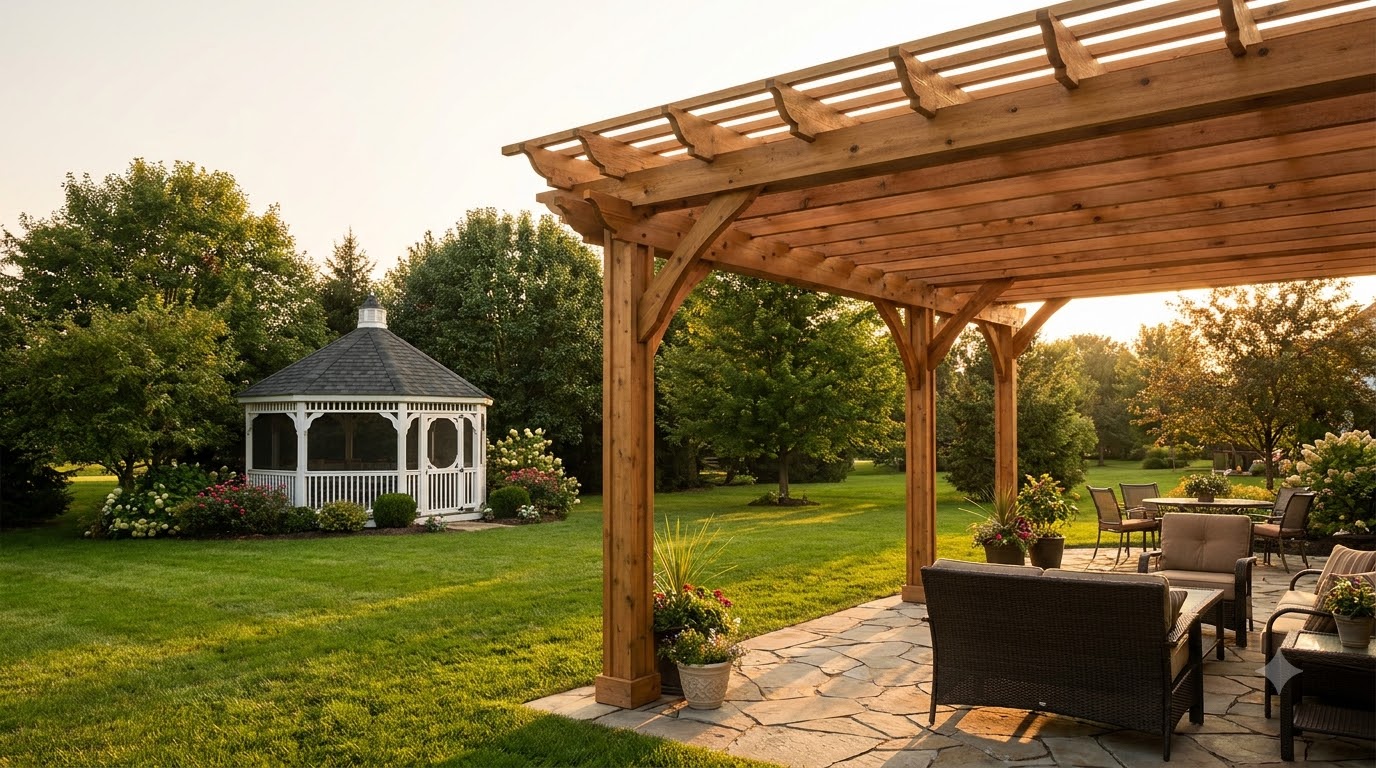
Pergola vs Gazebo: Which Should You Build? (2026)
The pergola vs gazebo choice comes down to the roof. A pergola has an open, slatted top — it filters sun, frames an outdoor room, and lets air and light through. A gazebo has a solid roof — full shade, real rain protection, and its own floor, standing apart from the house. Pick the pergola…
-
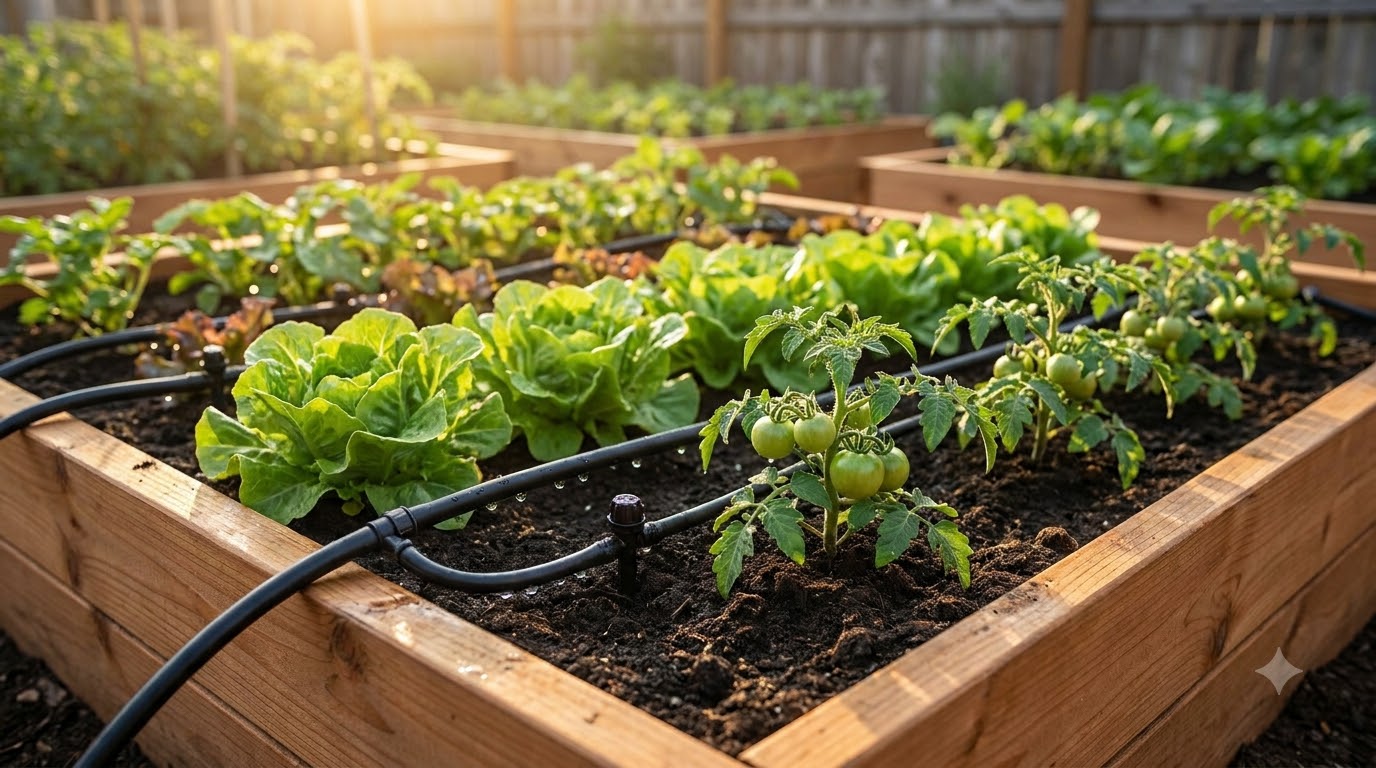
How to Irrigate Raised Garden Beds (5 Options Compared)
The best way to irrigate raised garden beds is a drip line on a battery timer — a basic kit covers a standard bed, installs in a weekend, and turns daily watering into a chore that does itself. Until you get there, the rule that matters most costs nothing: water deeply and less often, at…
-
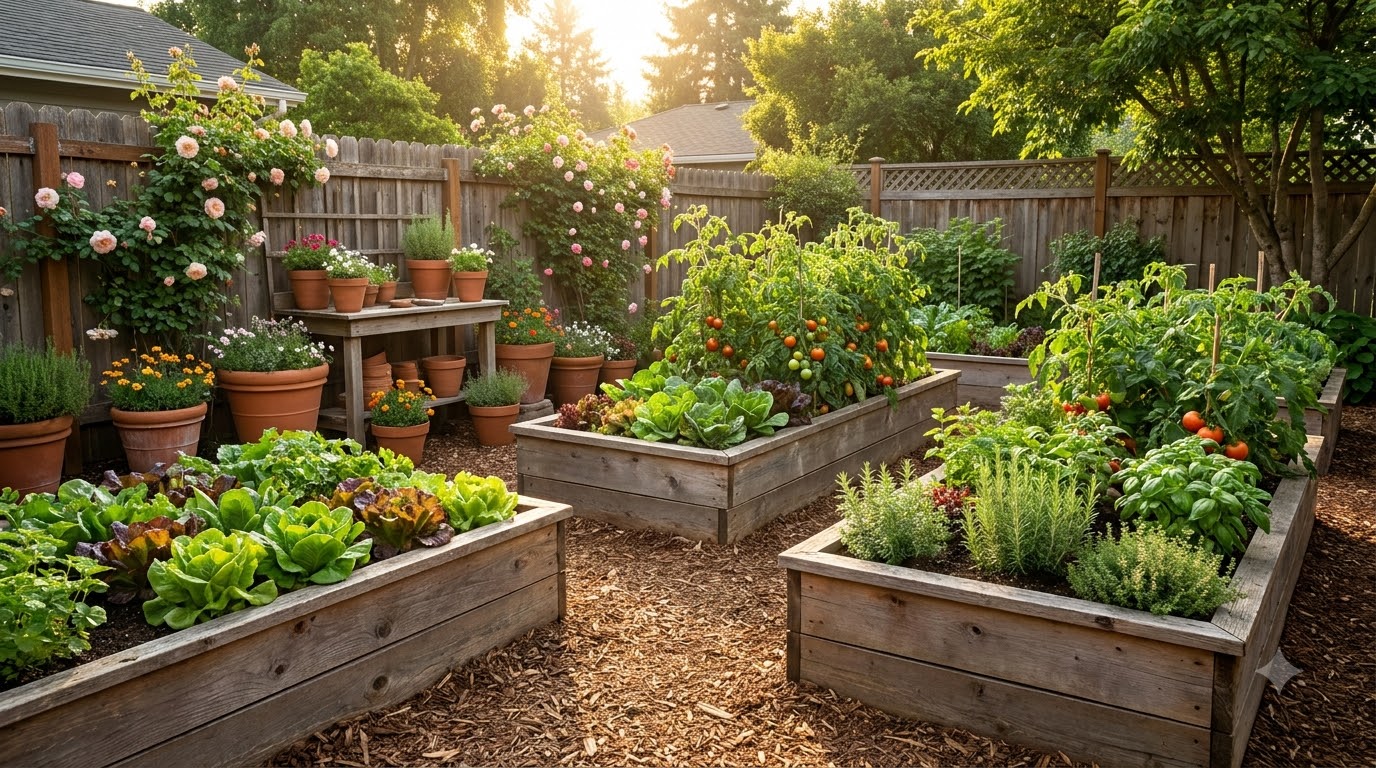
Raised Garden Bed Guide: Size, Wood, Soil & Cost (2026)
A raised garden bed is a frame of better soil sitting on top of whatever your yard gave you — and that one move fixes drainage, sidesteps bad native dirt, warms up earlier in spring, and lifts the work off your knees. Five decisions determine whether yours works: size, depth, frame material, what goes in…
-
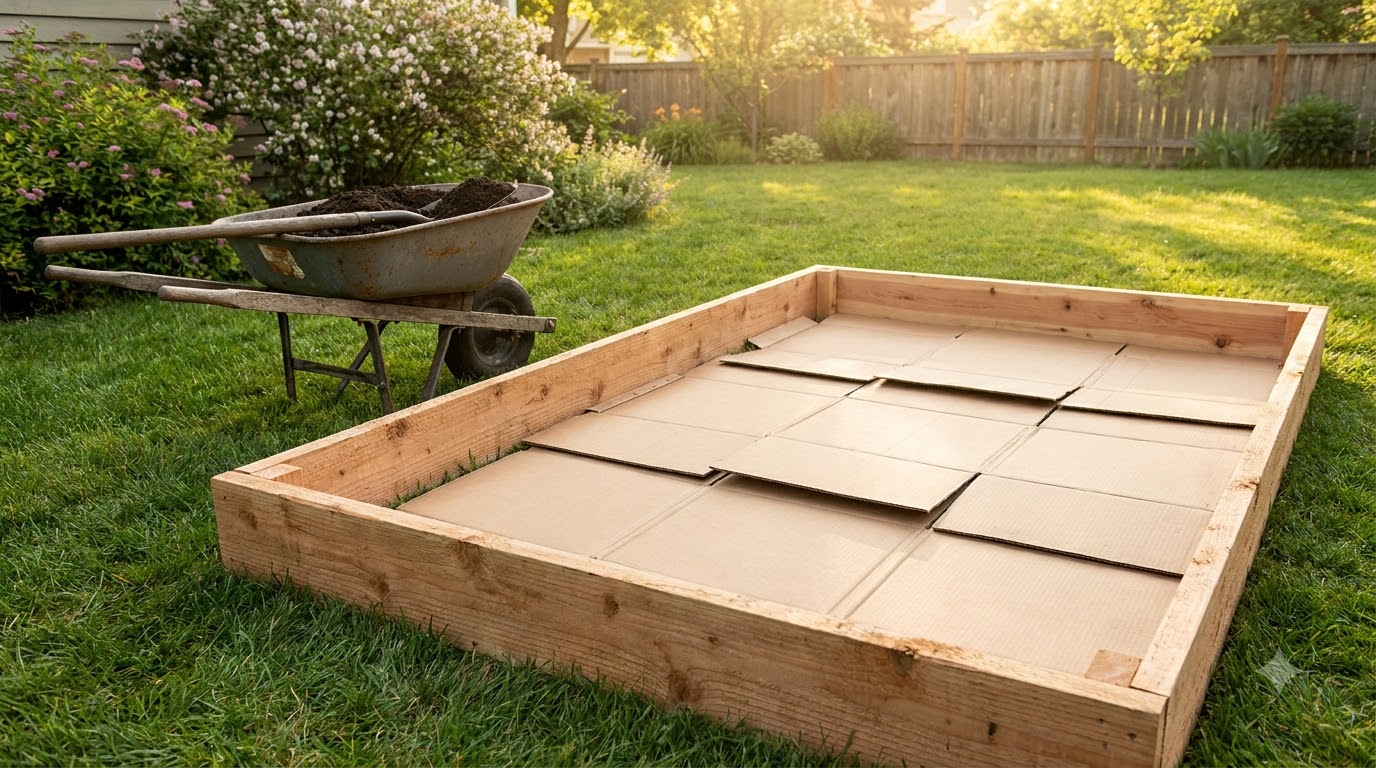
Cardboard for Raised Garden Beds: Uses, Rules & Mistakes
Plain corrugated cardboard is the best free material a raised garden bed will ever get — laid over grass under a new bed, it smothers the lawn, feeds worms, and disappears within a season, leaving an open soil boundary that roots cross freely. The rules are short: plain brown boxes only, tape and staples off,…
-
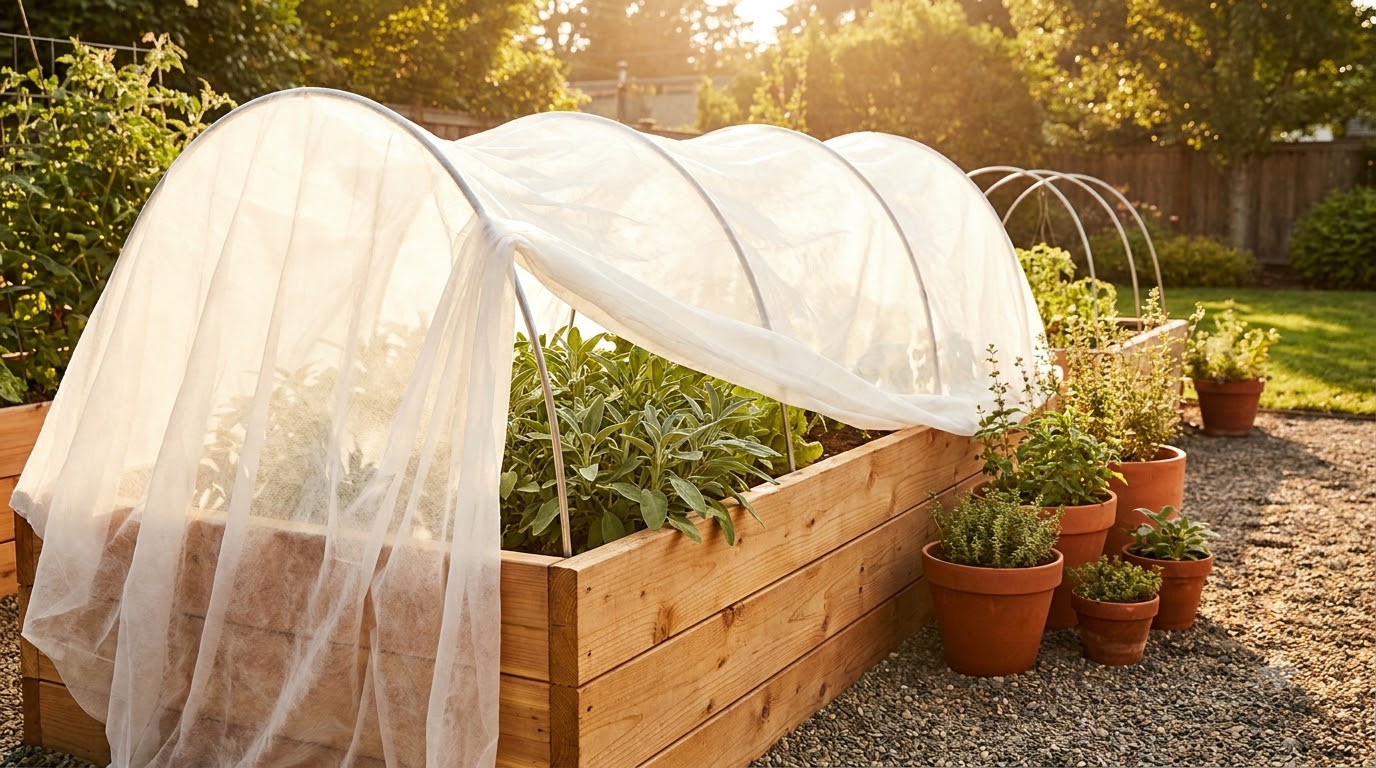
How to Cover a Raised Garden Bed (Frost, Bugs, Sun & Winter)
The right way to cover a raised garden bed depends on what you are protecting it from. Frost calls for a floating row cover, insects for fine mesh netting, summer heat for 30–50% shade cloth, digging animals for hardware cloth, and winter for a thick mulch or a tarp. The good news: every one of…
-
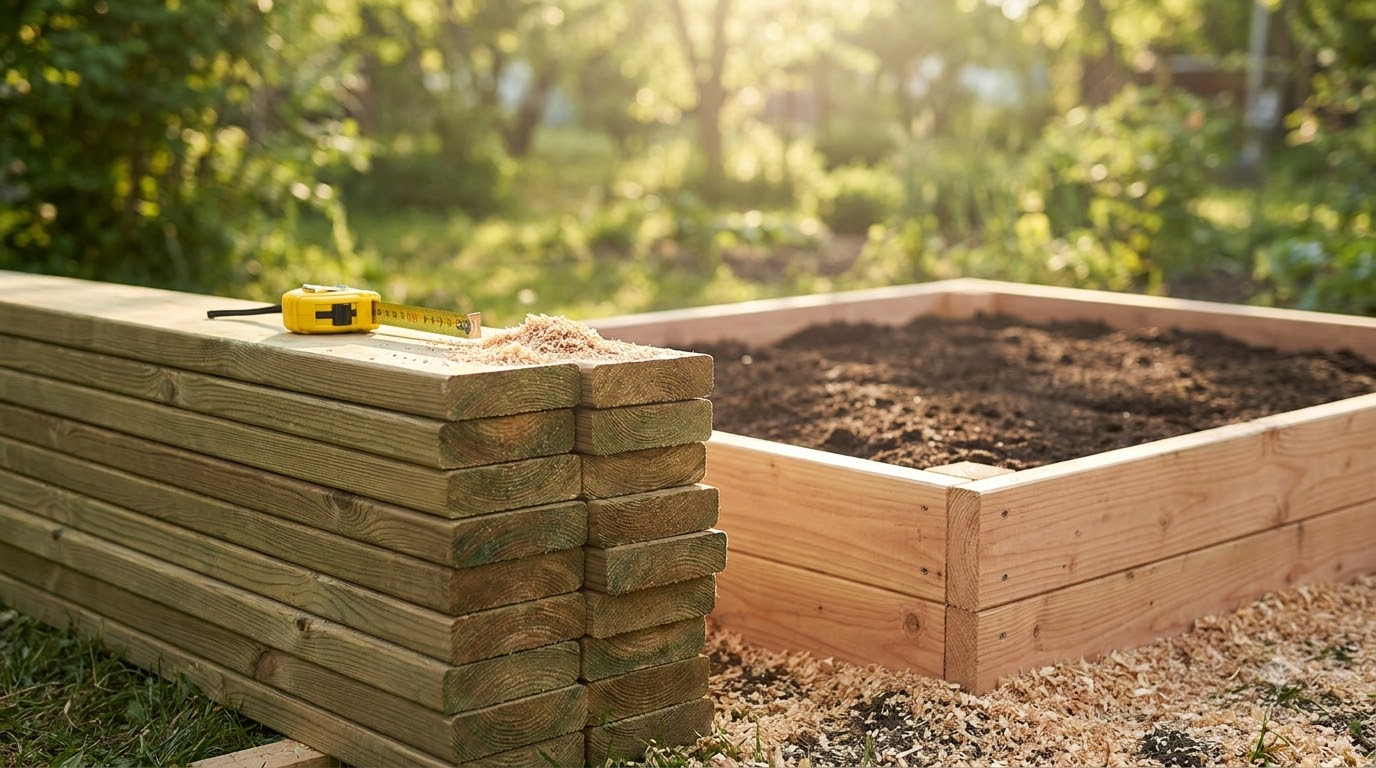
Is Treated Wood Safe for Raised Garden Beds? (2026)
Modern pressure-treated wood is considered safe for raised garden beds. The lumber sold at yards since 2004 is preserved with copper-based compounds, and university extension research — including a dedicated Oregon State University study on treated-wood garden beds — found no reason to keep it away from vegetables. The wood people are actually remembering when…
-
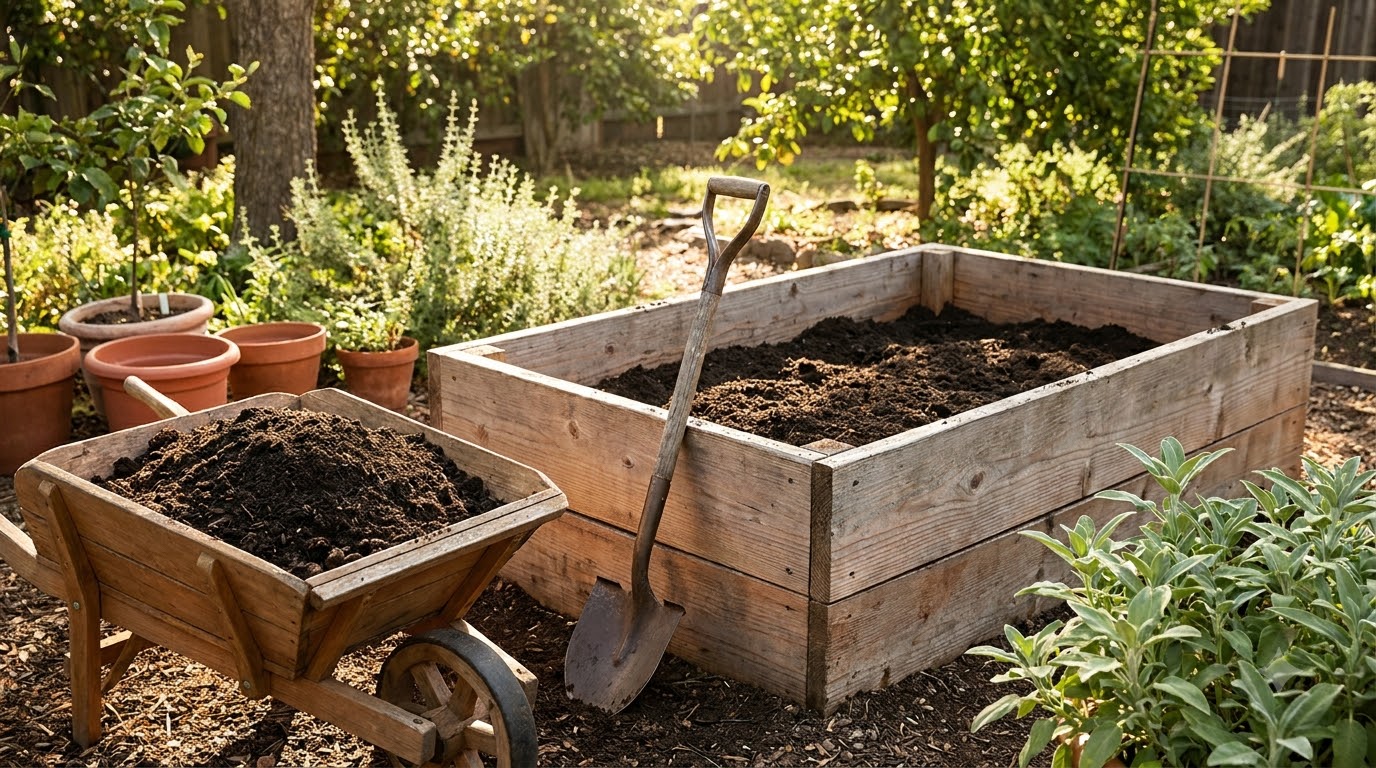
How to Fill a Raised Garden Bed (Spend Less on Soil)
To fill a raised garden bed, you only need quality soil in the top 12 inches — a blend of one-half to two-thirds topsoil with one-third to one-half compost, per the University of Minnesota Extension. Anything deeper than 12 inches can be coarse organic material: logs, branches, leaves. That two-layer approach fills a deep bed…
-
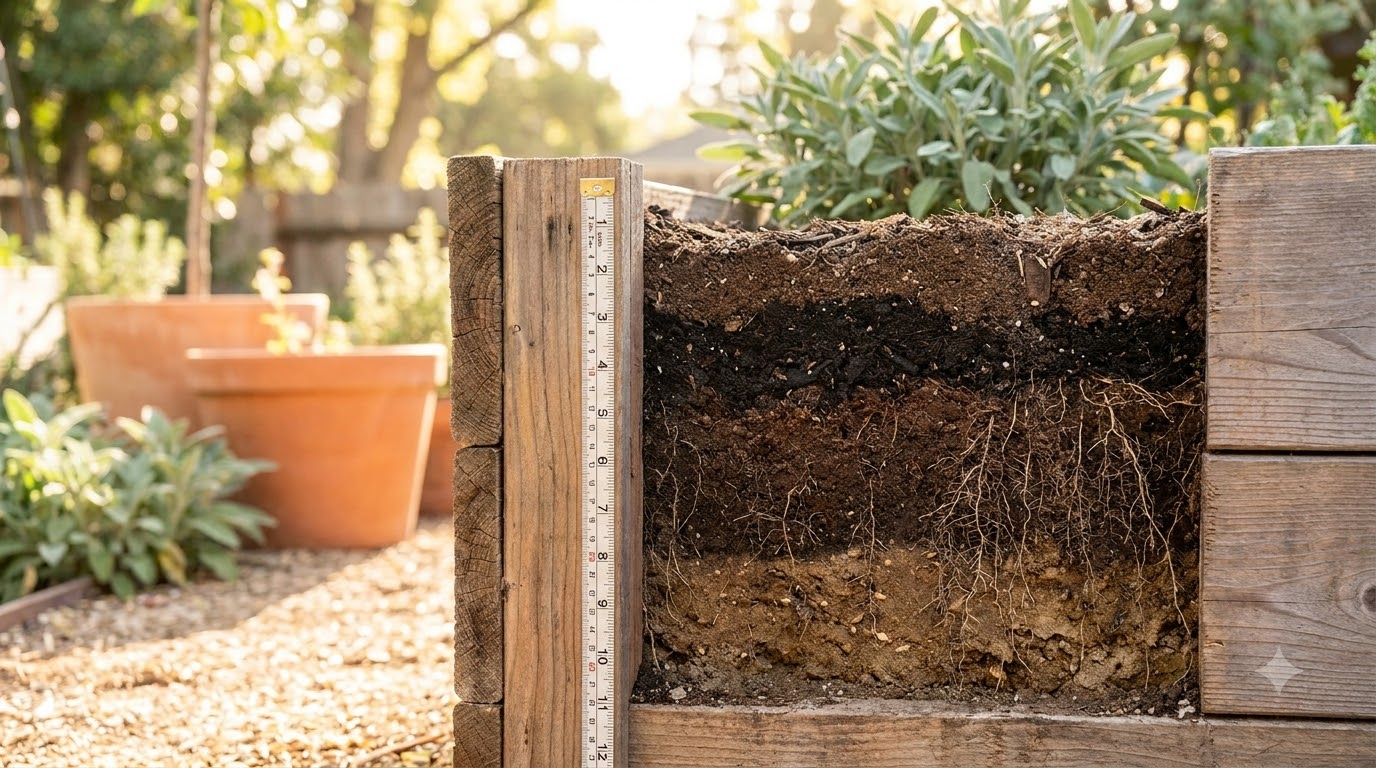
How Deep Should a Raised Garden Bed Be? (2026)
How deep should a raised garden bed be? Most need 10–12 inches of soil — but only if the bed sits on a hard surface like a patio, driveway, or gravel. If your bed sits on open ground, roots grow straight down into the soil beneath it, and 6–8 inches deep is often plenty. The…